Empowering self-care by immigrant patients with information we can hear and understand.
Immigrant patients can listen to relevant care information in dialects that they can understand.
Curated patient education materials can be shared anywhere for speakers of the same language.
Patients are prepared to better communicate about their diseases and symptoms even if their doctors do not speak the same languages.
Interviews with doctors and patients identified language barriers to deliver care to immigrant patients: more than 26 million residents in US have limited English proficiency and their different native dialects may hinder their access to quality care.
Building on our personal experiences and access to global health resources, we launched this 501c(3) nonprofit to produce accessible education materials that people with limited English proficiency can listen and understand. Updates on our work are available on our blogs
We start with Asian languages and dialects first (Mandarin, Cantonese, Vietnamese, Hindi, Tagalog, Dravidian, Japanese, Korean, Arabic, Fuchow, Hokkien, Thai, Burmese), and will expand to those spoken by more numerous immigrant groups (French, Portuguese, Russian, Somali, Swahili, Hausa) and expand to other languages as identified by the US census.
Let us work together to break the language barriers for better care!
Dr. Zhang is an expert and leader in multicultural implementation of innovative patient empowered care delivery paradigms with over 20 years of experience in academia, pharma and health care. She serves on PCORI CER advisory panel (2025-2028), ASCO Health Policy Committee (2026-2029) and MASCC research committee. She received her doctorate degree in cancer biology from Columbia University and postdoctoral training in systems biology at the Lawrence Berkeley National Laboratory. She then managed decision analytics for autoimmune, respiratory, oncology and infectious diseases at Roche, and led translational analytics for Eli Lilly’s late-stage oncology and immunology drugs before leaving the pharmaceutical industry for personalized medicine and digital health efforts. She initiated the digitalization of cancer patient navigation in 2013 and led the development of a cancer therapy management platform in Asia from 2015 to 2019, winning a 2019 ASCO Breakthrough award in “AI to improve patient outcomes” for the feasibility study. She currently serves on PCORI CER advisory panel and ASCO Health Policy Committee as a patient advocate.
Dr Hung is a medical oncologist and clinical informatics executive at the Hartford HealthCare's Cancer Institute, the first national Memorial Sloan Kettering Cancer Center (MSKCC) Care Partner. He specializes in caring for patients with head and neck cancers. His research focuses on developing digital therapeutics and tools to improve the lives of patients and families affected by cancers. At Hear2Care, he is committed to helping to bridge the health access gap for patient immigrants.
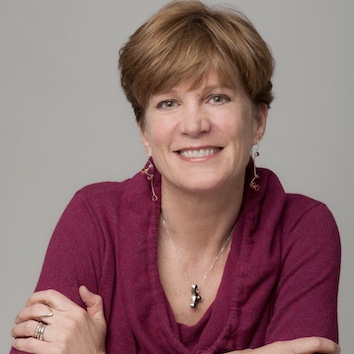
Amy Hamblin holds an MFA in Sculpture/Fine Art from the University of Washington and, in addition to being an accomplished artist, has served as Art Director for the University of Washington Medical Center. She has served on the advisory boards of the Patient Centered Outcomes Research Institute, the Cambia Palliative Care Center of Excellence at the University of Washington, and the Creative Aging Program at the Frye Art Museum in Seattle, Washington. She also served as a dedicated caregiver and spouse of the late Jared Randall Curtis, who battled ALS until his passing in 2023. She has been mentoring caregivers of people with ALS since.
Hear2Care is a WA registered public charity recognised by the IRS as a tax exempt 501(c)(3) non-profit organization. We are registered with the Benevity platform as a cause to empower immigrants and their caregivers.
Please find Hear2Care on your company intranet's benevity page by searching for "Hear2Care" or Benevity ID (840-933638070) if you are interested in supporting our cause!
As a community, we will create resources that can help immigrants in the US and those located in our countries of birth (through global distribution platforms).